-
The Steep Cost of Debt Settlement Companies
The cost of debt settlement companies is steep, too steep. Debt settlement companies trash your credit and increase your tax liability. And in most cases, debt settlement companies will fail to settle a single debt on your behalf. Here’s why I believe debt settlement companies are a very poor choice for most people. The Cash Cost…
-

How Your Credit Score is Calculated
Your credit score is calculated using the “FICO Five” factors: payment history, credit balances, length of history, credit mix, and new credit. Instead of having a single credit score, however, you actually have three. Each of the the three major credit bureaus (Experian, Equifax and TransUnion) compile their own separate credit scores. Yet every credit…
-
Five Ways Debt Can Wreck Your Marriage
Maintaining a good relationship with your spouse requires work. Hard work. Remaining emotionally connected to your spouse while coordinating the logistics of your daily lives involves true commitment, selflessness, and sacrifice. Debt should not come between you and your spouse. Here are five ways debt can wreck your marriage. 1. Keeping Secrets According to a recent survey, as…
-
Where do I mail my Chapter 13 Plan payment in DC, MD and VA?
Once your Chapter 13 bankruptcy has been filed, you will make your Chapter 13 Plan payments directly to the trustee for several months. Your first Plan payment must be made no later than 30 days from the date that your case is filed. Once your Plan has been confirmed, usually three to five months later,…
-
What Does It Mean When a Debt is Charged Off?
Many people experience a feeling of relief when they see on their credit reports that an old debt has been marked as “Charged Off.” Some think that these debts have been forgiven because a creditor has charged off the debt. But what exactly does it mean when a debt is charged off? You Still Owe…
-
Bankruptcy Stops Eviction — Unless There’s an Eviction Order
If you are behind on your rent, bankruptcy may a good option for you. In many situations, Section 362 of the Bankruptcy Code (the Automatic Stay) can stop your landlord from continuing eviction proceedings. In fact, bankruptcy stops eviction in almost every case, but not all. If your landlord has obtained a writ of possession,…
-
What Happens to Student Loans in Chapter 13 Bankruptcy?
Student loans remain valid debts after discharge in either Chapter 7 bankruptcy or Chapter 13 bankruptcy. However, paying your student loans in Chapter 13 bankruptcy allows you some breathing room to pay your other debts. What Is Chapter 13? Chapter 13 bankruptcy is sometimes called the “wage-earner’s bankruptcy.” Many people who do not qualify for Chapter…
-
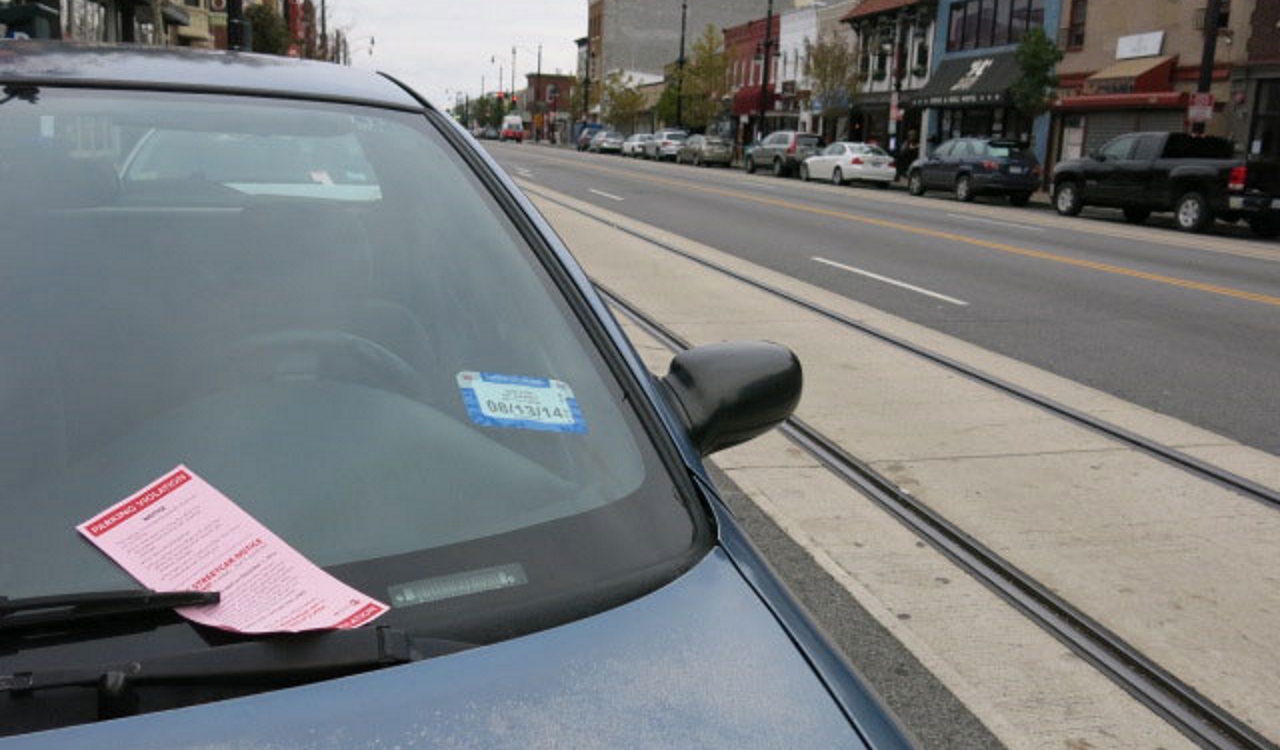
Wiping Out Parking Tickets in Bankruptcy
You can discharge only very old parking tickets in bankruptcy, after they have been sent to a third-party debt collector. Otherwise, parking tickets pass through the Chapter 7 bankruptcy discharge because they are debts owed to a “governmental unit.” Parking Tickets in Bankruptcy Unfortunately, in most cases parking tickets cannot be discharged in Chapter 7…
-
Student Loans are Holding Back Home Ownership
America’s student-loan debt grows by $2,726 every second. Total student loan debt in the United States has topped $1.3 trillion, second only to mortgage debt. Nearly one-third (30%) of Americans know someone who has delayed the purchase of a home because of student loan debt. And more than half of those expect that delay to last longer…
-
Bankruptcy in the Bible
Deuteronomy defines bankruptcy in the Bible. But the Bible also frequently mentions lending, fair pay, creditors, interest payments, and money in general. Let’s start out with one of Jesus’ most important messages before we take a look at the Old Testament. The Golden Rule You may know of the so-called Golden Rule from the Sermon on…

Bankruptcy






More About
Bankruptcy
If debt has taken over your life — the calls, the letters, the constant stress — bankruptcy may be the most powerful tool available to you. Filing immediately triggers an automatic stay, which legally stops creditor calls, wage garnishments, lawsuits, and foreclosure auctions the moment your case is filed.
Lee Legal has helped thousands of individuals, couples, and businesses across DC, Virginia, and Maryland eliminate debt and reclaim their financial lives. Attorney Brian Lee brings over 20 years of bankruptcy experience to every case — and he’ll work directly with you from your first free consultation to your final discharge.
Chapter 7 eliminates most unsecured debt — credit cards, medical bills, personal loans — permanently. Most cases are resolved in about three months.
Chapter 13 lets you keep your assets and catch up on missed mortgage payments through a structured repayment plan that fits your budget. It’s the most powerful tool available for stopping foreclosure.
Chapter 11 gives businesses and high-income individuals a path to reorganize debt while continuing operations — without shutting down.
Bankruptcy law is complex and constantly evolving. You shouldn’t navigate it alone — and with Lee Legal, you don’t have to.
Call (202) 448-5136 today. Every client gets a free, confidential consultation.
Posts by Practice Area
- Bankruptcy (228)
- Chapter 11 (6)
- Chapter 13 (70)
- Chapter 7 (63)
- Debt Defense (54)
- Foreclosure (96)
Request a free consultation.
You have to take the first step. Send us an inquiry or give us a call. Every client receives a free consultation.