-
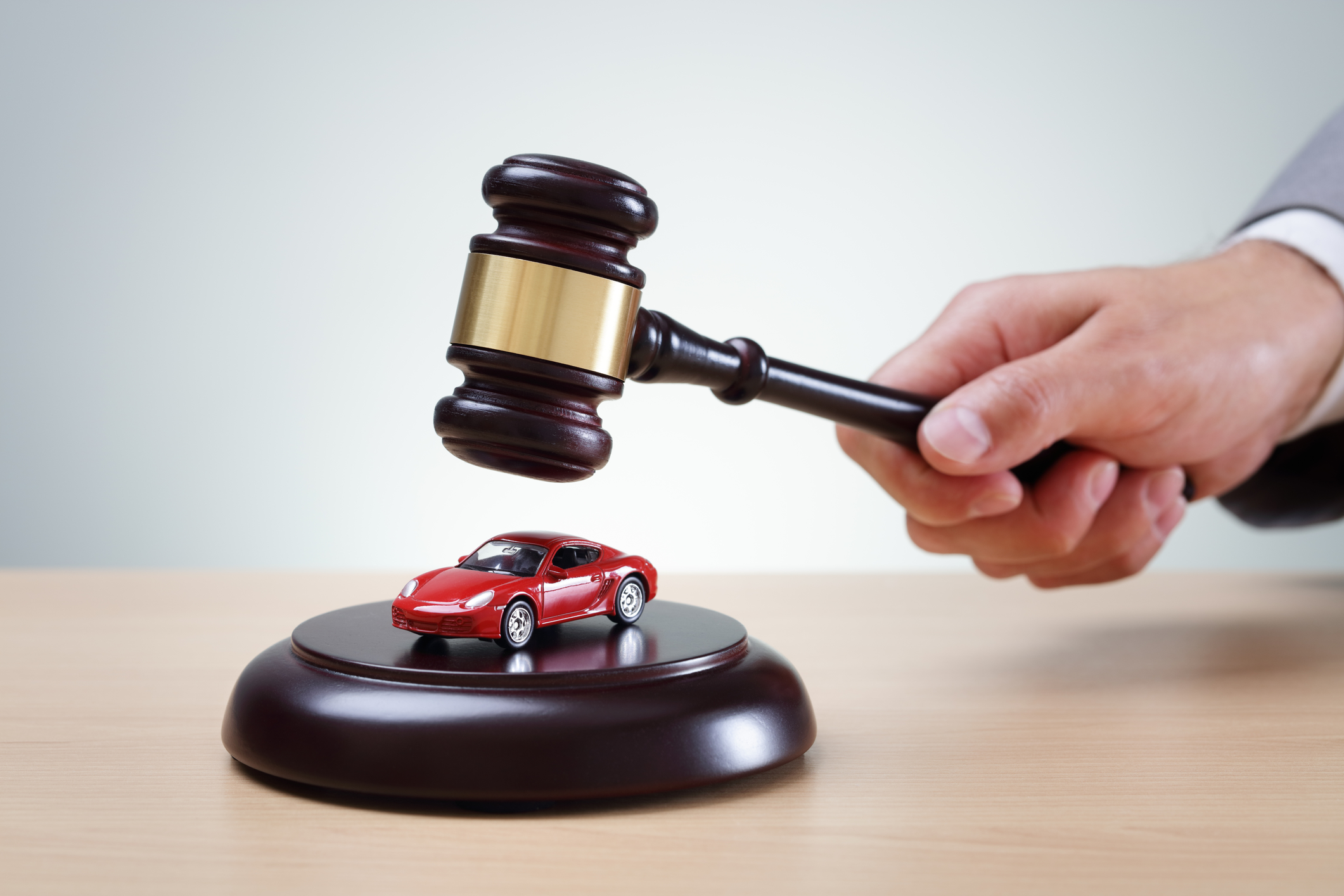
Can I Keep My Car If I File Bankruptcy?
Bankruptcy provides an important opportunity to eliminate debts that you are struggling with and cannot pay. However, many people are reluctant to consider bankruptcy even when filing makes sense. This reluctance can stem from serious concerns about having to give up essential possessions such as your car. I frequently answer the question: Can I Keep My…
-

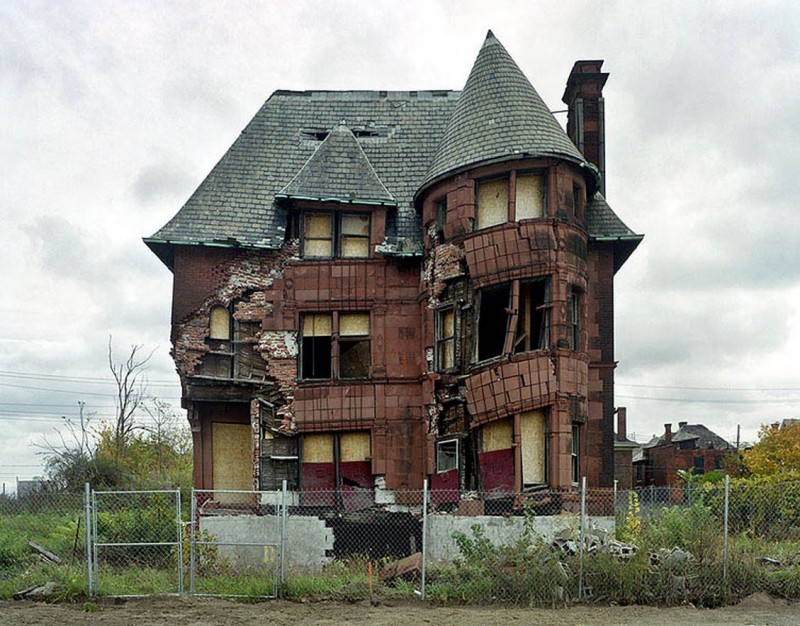
Do Not Be Like Detroit
On July 18, 2013, the city of Detroit filed for protection under Chapter 9 of the Bankruptcy Code. Major legal brawls are now in the works for the nation’s 18th largest city, its 9,500 employees, and nearly 20,000 retirees drawing pensions. Most consumer bankruptcy cases are a lot less complex than the bankruptcy for a…
-
What is a Chapter 13 Bankruptcy?
Chapter 13 bankruptcy solves a lot of problems that the other chapters of the Bankruptcy Code cannot. When you get into trouble with debt and are not able to pay your bills, consider seeking bankruptcy protection. As an individual consumer, there are several different kinds of bankruptcy that you can file. These types of bankruptcy…
-
Bankruptcy Could Save Your Home
If you are coping with foreclosure, bankruptcy could save your home. While bankruptcy might not just make your mortgage go away, if you want to keep your home, bankruptcy gives you options. Whether or not you’re facing foreclosure, bankruptcy could make your home both more affordable and more valuable. You have other options besides bankruptcy,…
-
What is a Chapter 7 Bankruptcy?
Chapter 7 bankruptcy allows you to quickly and easily get out from under debts that are unmanageable and that you cannot pay back. When you get into trouble with debt and are not able to pay your bills, consider seeking bankruptcy protection. As an individual consumer, there are several different kinds of bankruptcy that you…
-
What is the Difference Between Chapter 7 and Chapter 13?
The two most common types of bankruptcy filed by individuals are Chapter 7 bankruptcy and Chapter 13 bankruptcy. Both of these chapters of bankruptcy can resolve your debts. As a bankruptcy lawyer, I get asked all the time: what is the difference between Chapter 7 and Chapter 13 bankruptcy? Chapter 7 Bankruptcy Chapter 7 bankruptcy…
-
How Do I Stop a Garnishment?
Garnishment (or “attachment”) is a last-ditch effort at debt collection, a tool of last resort for creditors. When you default on a debt, and the creditor is unsuccessful in recovering on the debt, a judgment may be issued against you to garnish property, bank accounts, or wages. Garnishment can often severely impact your monthly finances, and…
-
What are the Bankruptcy Chapters?
Most consumer debtors have two main bankruptcy chapters under the Bankruptcy Code: Chapter 13 and Chapter 7. There are, however, two other types of bankruptcy: Chapter 11 and Chapter 12. Here are the principal differences between the bankruptcy chapters. Chapter 7: Liquidation Chapter 7, also called straight bankruptcy, allows you to discharge most types of…
-
Bankruptcy Will Not Kill Your Credit
Bankruptcy will not kill your credit for 10 years. Many of the clients who come into my office think that. This common misperception is the result of an intense and extended propaganda campaign by institutional lenders and credit card companies. Obviously, your creditors want you to repay your debts, no matter what the personal cost to…
-
When to Consider Filing Bankruptcy
In most cases, the very last thing any person wants to do is to consider filing bankruptcy. In many cases, an average person will wait two years longer than he or she should have to file bankruptcy. Don’t rearrange the deck furniture on the Titanic. Instead, realize it may be time to jump ship. You may…

Bankruptcy








More About
Bankruptcy
If debt has taken over your life — the calls, the letters, the constant stress — bankruptcy may be the most powerful tool available to you. Filing immediately triggers an automatic stay, which legally stops creditor calls, wage garnishments, lawsuits, and foreclosure auctions the moment your case is filed.
Lee Legal has helped thousands of individuals, couples, and businesses across DC, Virginia, and Maryland eliminate debt and reclaim their financial lives. Attorney Brian Lee brings over 20 years of bankruptcy experience to every case — and he’ll work directly with you from your first free consultation to your final discharge.
Chapter 7 eliminates most unsecured debt — credit cards, medical bills, personal loans — permanently. Most cases are resolved in about three months.
Chapter 13 lets you keep your assets and catch up on missed mortgage payments through a structured repayment plan that fits your budget. It’s the most powerful tool available for stopping foreclosure.
Chapter 11 gives businesses and high-income individuals a path to reorganize debt while continuing operations — without shutting down.
Bankruptcy law is complex and constantly evolving. You shouldn’t navigate it alone — and with Lee Legal, you don’t have to.
Call (202) 448-5136 today. Every client gets a free, confidential consultation.
Posts by Practice Area
- Bankruptcy (228)
- Chapter 11 (6)
- Chapter 13 (70)
- Chapter 7 (63)
- Debt Defense (54)
- Foreclosure (96)
Request a free consultation.
You have to take the first step. Send us an inquiry or give us a call. Every client receives a free consultation.