-
Reinstate the Bankruptcy Discharge for Student Loans
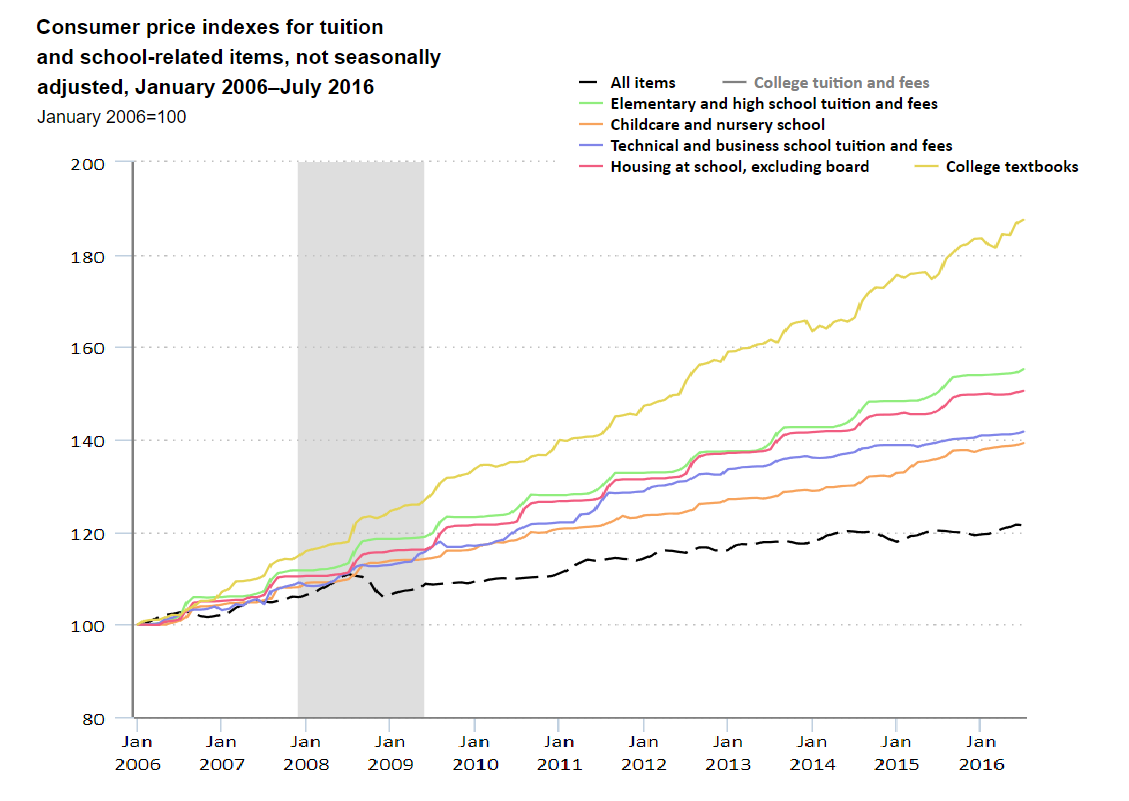
Jerome Powell, the new Federal Reserve Chairman, believes that we should bring back the bankruptcy discharge for student loans. For years, Lee Legal has advocated for the bankruptcy discharge for student loans. Before 1976, federal student loans could be discharged just like any other unsecured debts. And up until 2005, private student loans could be…
-

Stop Foreclosure Immediately
You may have done everything that you could to stop foreclosure on your own. But if your lender schedules an auction, you must take steps to stop foreclosure immediately. Before an auction is scheduled, you have lots of foreclosure prevention options. But the only sure-fire way to stop foreclosure immediately is to file bankruptcy. Chapter…
-
File Bankruptcy to Stop a Lawsuit
If a creditor sues you on a debt, you should know that you can file bankruptcy to stop a lawsuit. A creditor may sue you for the debt on repossessed car, broken lease, or credit card. Or a former lender may sue you for a deficiency judgment from a foreclosure. An individual plaintiff may claim…
-
Should I File Bankruptcy or Divorce First?
Divorce can be messy. Bankruptcy cleans up messes. But whether you should file bankruptcy or divorce first depends on your specific circumstances. In some cases, filing bankruptcy before divorce makes sense. In other cases, filing bankruptcy before the finalization of a divorce and the division of property can be a big mistake. If your marriage is…
-
Lee Legal Will Take Your Collection Calls
Creditors can be really annoying. Collection calls and correspondence can disrupt your life and cause unfortunate and unnecessary embarrassment. If you know that you’re about to file bankruptcy, you can relieve the pressure before you file. Lee Legal will take your collection calls up to two weeks before your bankruptcy filing. Bankruptcy stops collection efforts At the start…
-
6 Reasons Why the IRS May Keep Your Tax Refund
On Friday, the Internal Revenue Service (IRS) sent a gentle reminder to the nearly 40 million taxpayers who have yet to file their tax returns: do it now. Many people consider their tax refunds to be a sort of annual bonus. Here are the top 6 reasons why the IRS may keep your tax refund.…
-
Not Every Financial Mistake Leads to Bankruptcy
It’s OK to make mistakes. After all, not every financial mistake leads to bankruptcy. Yet the converse is also true. Not every bankruptcy is caused by mistake. Everyone makes mistakes, but only the wise learn from them. You must allow yourself to learn from your mistakes. Unwillingness to admit to a mistake will invariably lead…
-
How Much Will I Have to Pay in a Chapter 13 Bankruptcy?
Chapter 13 bankruptcy is sometimes called the “wage-earner’s bankruptcy.” The Chapter 13 Plan requires a monthly payment over a period of 36 to 60 months. Self-employed people cut a monthly check to the Chapter 13 trustee. People employed by companies get automatic deductions taken from their paychecks. When you file a Chapter 13, you are…
-
Student Loans: The Only Type of Risk-Free Lending
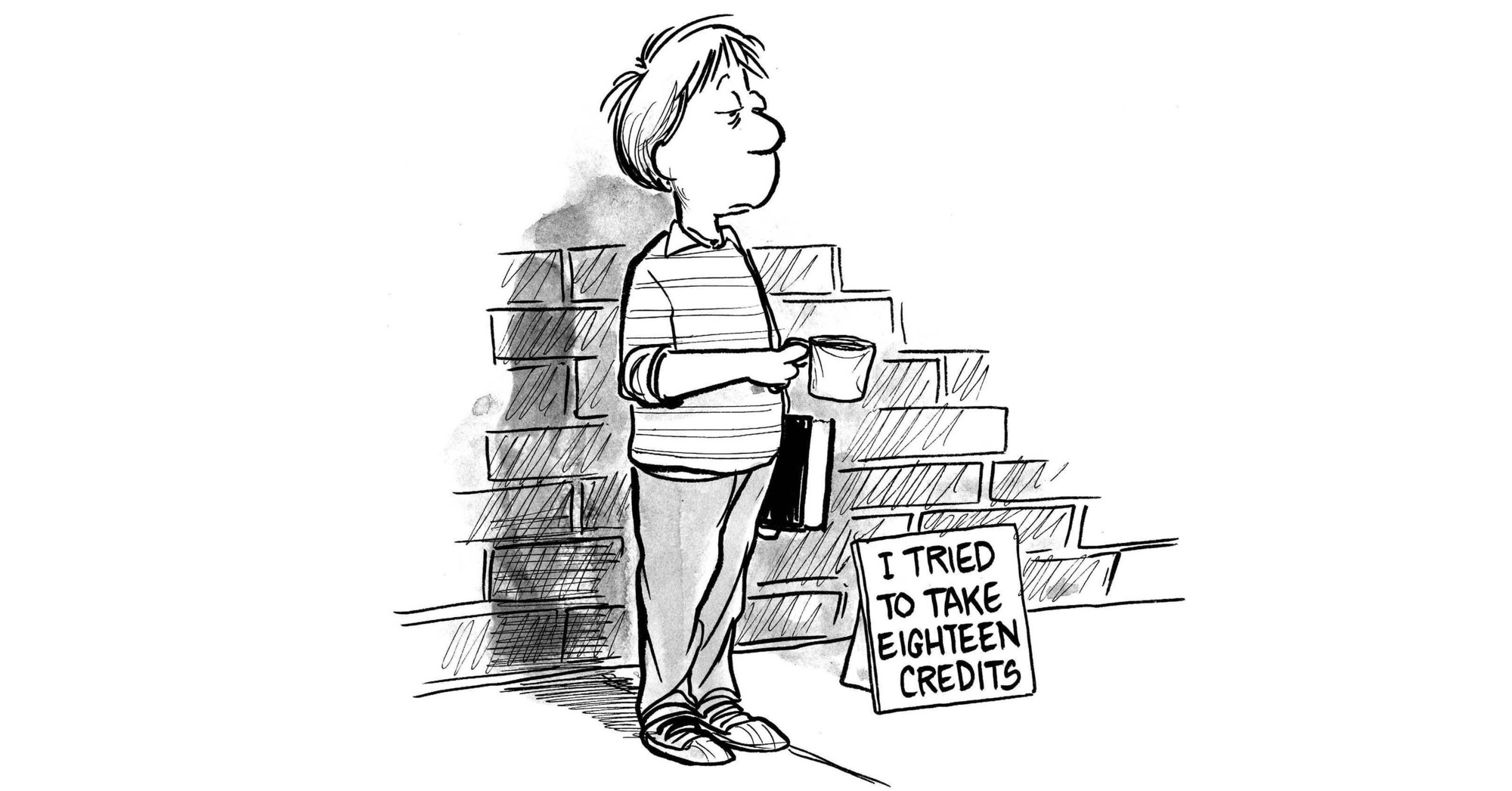
The only type of risk-free lending in the United States is student lending. Student loans cannot be discharged in bankruptcy and can even survive your death. No other type of lender in America is afforded the same protections as student loan lenders. Student loans are not dischargeable in bankruptcy Lots of different types of debts…
-
What is a Motion for Relief from Automatic Stay?
In bankruptcy, a Motion for Relief from Automatic Stay (in short, an “MFRS”) is an attempt by a creditor to initiate or continue certain collection efforts. The Automatic Stay takes immediate effect in every bankruptcy case. The Automatic Stay prohibits creditors from undertaking any collection activities, including lawsuits, foreclosures, phone calls, garnishment, and repossession. A creditor may…

Bankruptcy







More About
Bankruptcy
If debt has taken over your life — the calls, the letters, the constant stress — bankruptcy may be the most powerful tool available to you. Filing immediately triggers an automatic stay, which legally stops creditor calls, wage garnishments, lawsuits, and foreclosure auctions the moment your case is filed.
Lee Legal has helped thousands of individuals, couples, and businesses across DC, Virginia, and Maryland eliminate debt and reclaim their financial lives. Attorney Brian Lee brings over 20 years of bankruptcy experience to every case — and he’ll work directly with you from your first free consultation to your final discharge.
Chapter 7 eliminates most unsecured debt — credit cards, medical bills, personal loans — permanently. Most cases are resolved in about three months.
Chapter 13 lets you keep your assets and catch up on missed mortgage payments through a structured repayment plan that fits your budget. It’s the most powerful tool available for stopping foreclosure.
Chapter 11 gives businesses and high-income individuals a path to reorganize debt while continuing operations — without shutting down.
Bankruptcy law is complex and constantly evolving. You shouldn’t navigate it alone — and with Lee Legal, you don’t have to.
Call (202) 448-5136 today. Every client gets a free, confidential consultation.
Posts by Practice Area
- Bankruptcy (228)
- Chapter 11 (6)
- Chapter 13 (70)
- Chapter 7 (63)
- Debt Defense (54)
- Foreclosure (96)
Request a free consultation.
You have to take the first step. Send us an inquiry or give us a call. Every client receives a free consultation.