Washington DC
-
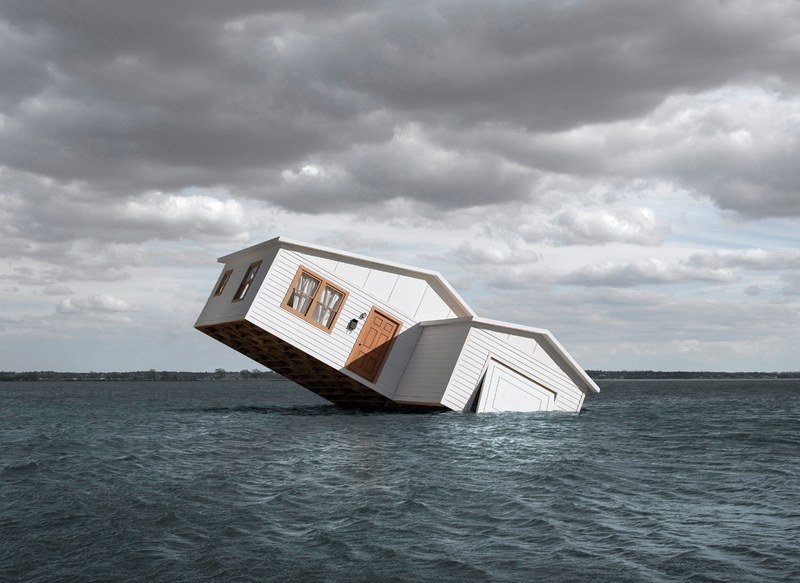
Will I Owe Money After Foreclosure?
Many people who call our office want to save their homes from foreclosure. In other cases, a foreclosure has already taken place. There are many different reasons why a foreclosure may be scheduled, ranging from market conditions to change in homeowner circumstances. One of the lingering effects of the foreclosure crisis is the rise of the deficiency…
-

How Much Does Bankruptcy Cost?
There are three main chapters of bankruptcy for individuals, and all three have different bankruptcy costs and fees. Your total bankruptcy cost includes both court filing fees, which are an administrative requirement, and legal fees, which are paid to your attorney. If you’re having difficulty making ends meet, it’s natural to wonder: Just how much does bankruptcy cost? Chapter 7…
-
Foreclosures are Way Down, But Not in the District of Columbia
Nationally, foreclosures are way down, but not in the District of Columbia. According to CoreLogic’s National Foreclosure Report for June 2016, the U.S. foreclosure inventory declined by 25.9% and completed foreclosures declined by 4.9% compared with June 2015. The number of completed foreclosures nationwide decreased year over year represents a decrease of 67.5% from the…
-
Should I File Chapter 7 or Chapter 13 to Stop Foreclosure?
Which bankruptcy should I file? Chapter 7 is quick and easy, but Chapter 13 allows repayment of missed mortgage payments. Whether you file a Chapter 7 bankruptcy or a Chapter 13 bankruptcy, the “automatic stay” goes into immediate effect. The automatic stay prevents your creditors from taking any steps to try to collect money from you. Both Chapter 7…
-
D.C. Bankruptcy Attorney Advocates for Student Loan Discharge
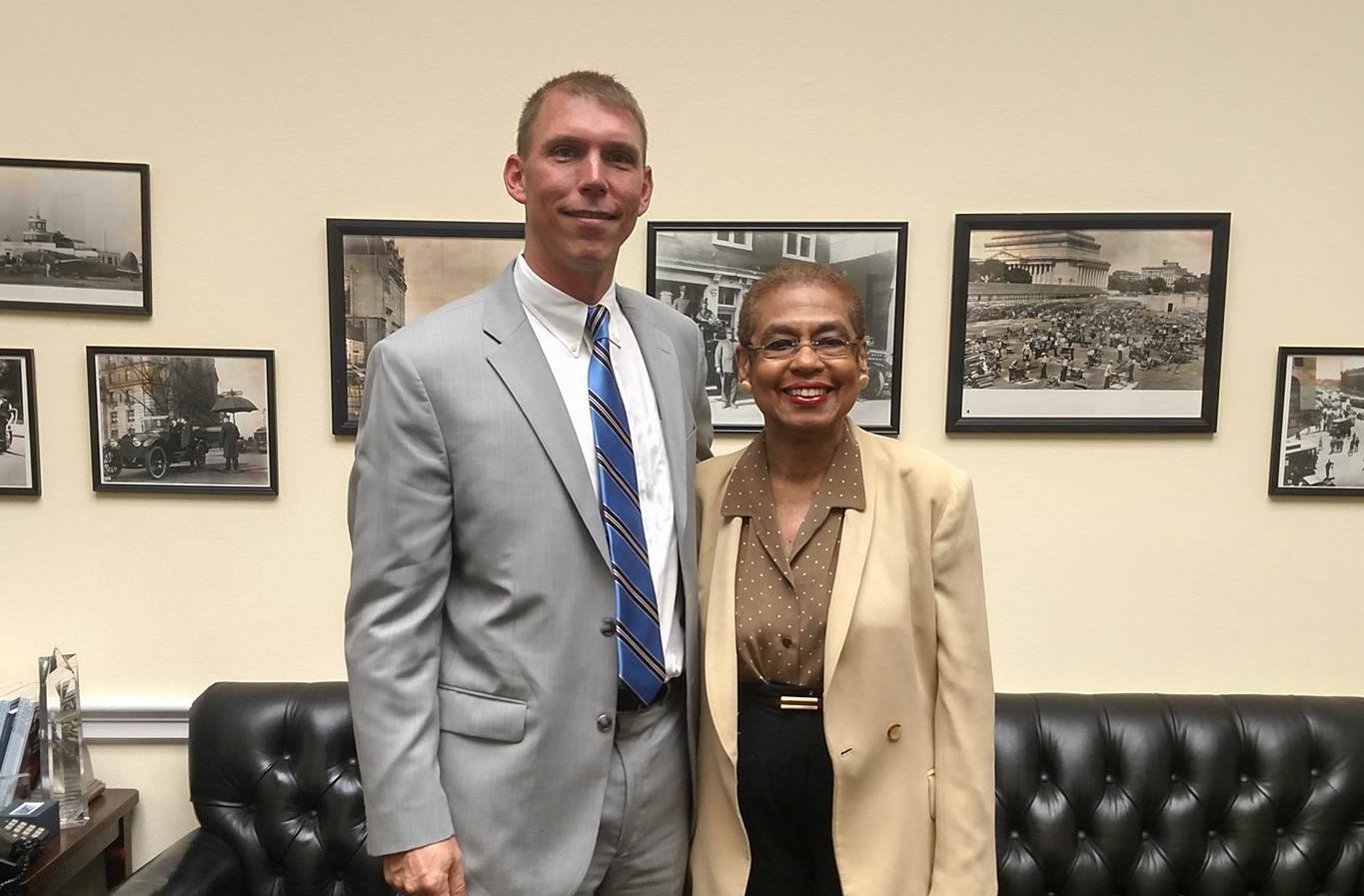
Brian V. Lee, the District of Columbia State Chair for the National Association of Consumer Bankruptcy Attorneys (NACBA) and principal attorney for Lee Legal, met with District of Columbia Congresswoman Eleanor Holmes Norton to discuss the student loan discharge in Chapter 7 bankruptcy. The meeting was part of “Hill Day at Home,” which allows NACBA…
-
Realtors Should Not Turn Away Bankruptcy Clients
Realtors should not turn away bankruptcy clients. In fact, realtors shouldn’t have many concerns at all if approached by a client in bankruptcy. In most cases, bankruptcy does not complicate real estate sales very much at all. If the client is in Chapter 7 (liquidation) bankruptcy, usually the client needs cash quickly. Realtors often list…
-
The Solution to Increasing Student Loan Defaults
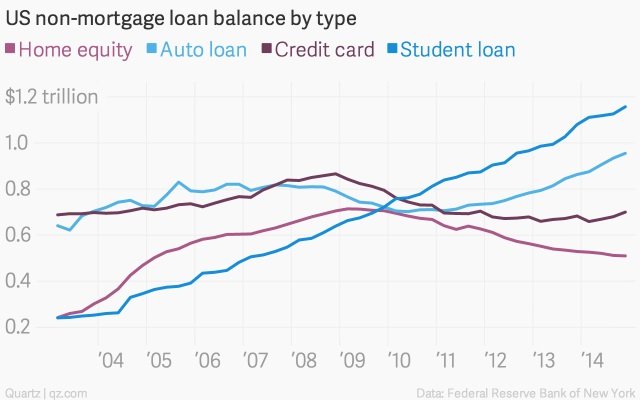
In 2016, 43 million Americans carried a total of over $1.3 trillion in student debt. More than 40% of the nearly 22 million borrowers with federal student loans were in default or behind on their payments. Student loan defaults have been compared to the subprime mortgage meltdown of 2007-2010. In 2017, Americans owed over $1.48 trillion in student…
-
Who Will Find Out If I File for Bankruptcy?
Are you ready to file for bankruptcy but stressed out because you’re not sure who will find out? It can be hard to pinpoint who will figure out or actually find out about your bankruptcy. But there are some basic rules of thumb. Before you file, it’s not uncommon to want to know the answer…
-
Get A Credit Card After Bankruptcy
Not only can you get a credit card after bankruptcy, it is absolutely essential to repairing your credit. Regardless of whether you file a Chapter 13 or Chapter 7 bankruptcy, once you receive your discharge, you are eligible to get a credit card. Your specific circumstances will determine what kind of interest rates and credit…
-
How to Write a Financial Hardship Letter
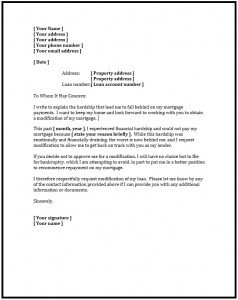
This article addresses how to write a financial hardship letter for loss mitigation, whether you’re seeking a modification, deed-in-lieu of foreclosure, or short sale. If you fall behind on your mortgage, you will have to submit a lost mitigation package to avoid foreclosure. Part of the loss mitigation package is the financial hardship letter (or “letter…