debt settlement
-

When to Consider Filing Bankruptcy
In most cases, the very last thing any person wants to do is to consider filing bankruptcy. In many cases, an average person will wait two years longer than he or she should have to file bankruptcy. Don’t rearrange the deck furniture on the Titanic. Instead, realize it may be time to jump ship. You may…
-

Can a Creditor Garnish a Paycheck or Bank Account?
A creditor who has obtained a judgment against you can garnish a paycheck or bank account, or both. The creditor must file garnishment affidavit at your bank, at which point the bank will pay that creditor whatever amount is available in your account, up to the amount of the judgment. A creditor will drain your…
-
Do Not Run Up Your Credit Cards Before Bankruptcy
Chapter 7 bankruptcy is an excellent option for those who have accumulated large credit card debts. But if you run up your credit cards before bankruptcy, you may be found to have committed a form of bankruptcy fraud. When you file for bankruptcy, credit card companies carefully review all of your most recent purchases. Do…
-
Should I Stop Paying My Bills?
I often get asked the question, “If I am filing Chapter 7 bankruptcy, should I stop paying my bills?” The answer is Yes and No. Continue to Pay the Bills You Will Still Have After Bankruptcy First the No. You must continue to pay certain bills. These include your rent or mortgage, auto loans for any…
-
Bankruptcy and Marriage
When a spouse is involved, filing bankruptcy can be significantly more complicated than filing a simple individual bankruptcy. The intersection of bankruptcy and marriage can create complicated circumstances for both spouses. In many cases, a married couple may find themselves entering into complex legal territory when considering bankruptcy. There are four major factors that affect…
-
Should I File Bankruptcy?
Bankruptcy is not for everyone, and not a decision to take lightly. Over three quarters of a million Americans will declare bankruptcy in 2017. But how do you know if bankruptcy is right for you? If you find yourself asking, “Should I File Bankruptcy?” then read on. Here are a few questions you should ask…
-
Top 10 Myths About Bankruptcy
If you are considering filing bankruptcy, consult with an attorney to help you understand your options. You should not take lightly the choice to file bankruptcy. But you should also not dread bankruptcy for the wrong reasons. Don’t fall prey to fake news. It’s time to dispel a few myths about bankruptcy. Myth 1: You will…
-
What is a Proof of Claim in Bankruptcy?
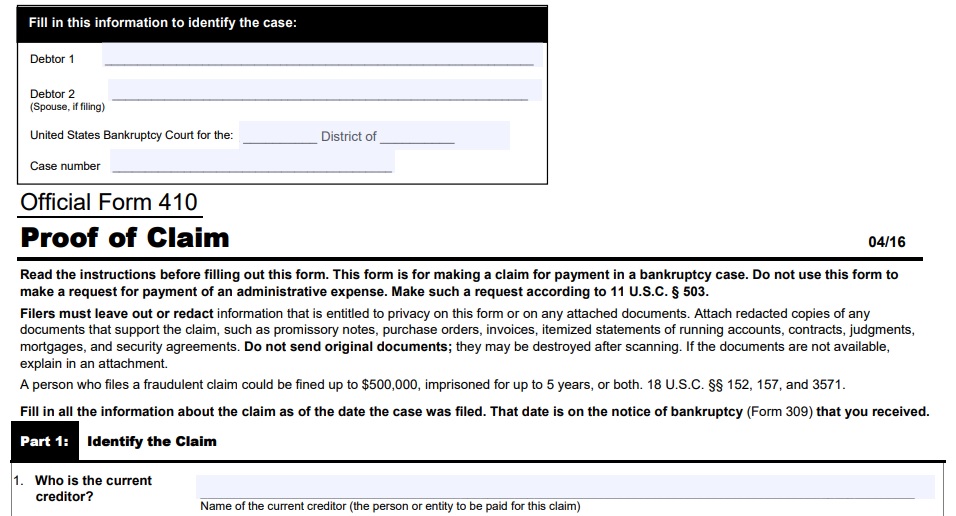
In bankruptcy, a Proof of Claim is a creditor’s written statement detailing the creditor’s claim against the debtor. A Proof of Claim is usually filed in Chapter 13 cases. But Proofs of Claim are sometimes filed in Chapter 11 and Chapter 7 cases, as well. Why file a Proof of Claim? A creditor may be…
-
What is the Bankruptcy Discharge?
What is the Bankruptcy Discharge? Usually, the whole reason to declare bankruptcy is to obtain the bankruptcy discharge. Once you have received your discharge in bankruptcy, no discharged creditor can take any enforcement action against you, ever. In other words, the discharge order forever prohibits any type of collection effort against you for a discharged…
-
The Automatic Stay Immediately Stops All Creditor Activity
If you are considering filing bankruptcy in Virginia, Maryland, or Washington, D.C., you should be aware of a nifty feature of the Bankruptcy Code called the Automatic Stay. Whether you file for Chapter 7 or Chapter 13, the Automatic Stay directs your creditors to cease all collection activities immediately or face court sanction. In short,…