Washington DC
-

Can I Stop Foreclosure Without Filing Bankruptcy?
Can you stop foreclosure without filing bankruptcy? The answer depends upon how far in default you are on your mortgage payments. If your mortgage company hasn’t yet scheduled a foreclosure auction, you may have options better than bankruptcy. But once an auction has been scheduled, in most cases you cannot stop foreclosure without filing bankruptcy.…
-

Don’t Send Good Money After Bad
Don’t send good money after bad. Have you heard the phrase? It means spending even more money on an investment with the hope of recouping your original investment. Most of our clients feel their credit card purchases to be investments. From clothing and food and appliances to rental cars and educational expenses, most people use plastic…
-
Your Best Foreclosure Defense is Persistence
per · sis · tence 1. going on stubbornly or resolutely despite opposition or warning 2. insistent repetition of a question or opinion In Washington, D.C. you need both of these definitions to put forth a strong foreclosure defense. Your best foreclosure defense is persistence. Go on resolutely The plaintiff may file several motions against you…
-
Bankruptcy Could Help You Keep Your Security Clearance
All security clearance levels are subject to periodic reinvestigation. Confidential clearances require renewal every 15 years, Secret requires every 10 years, and Top Secret requires reinvestigation every 5 years. Bankruptcy will definitely affect your initial security clearance review and, in some cases, can present a hurdle. But if you already have a security clearance and…
-
9 Options When You Can’t Afford Your Mortgage Anymore
Owning a home comes with a lot of responsibility. But the toughest part of owning a home may be realizing that you you can’t afford your mortgage anymore. Lots of different circumstances can lead to an unaffordable mortgage payment. But you have options if you take a proactive approach. 9 Options When You Can’t Afford…
-
New Chapter 7 Means Test Numbers Take Effect
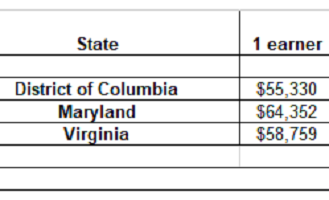
New Chapter 7 means test numbers take effect November 1, 2017. The means test numbers purport to state the median income per family size based on jurisdiction. To file a Chapter 7 bankruptcy, you must qualify under the Chapter 7 bankruptcy means test. In most cases, your income must be less than or equal to the…
-
Foreclosure Non-Retention Options
If you have a property in foreclosure, your mortgage lender will likely send you all sorts of correspondence. You may have modification or reinstatement options, which is great if you want to retain the property. But for a variety of reasons, the bank or servicer may not be willing to entertain modification or refinance. In…
-
No Discharging Student Loans in Bankruptcy
Currently working its way through House of Representatives committees is H.R. 2366, the Discharge Student Loans in Bankruptcy Act of 2017. It’s always good to hope, but forget about discharging student loans in bankruptcy in the near future. On October 20, 2017, as the D.C. Chair of the National Association of Consumer Bankruptcy Attorneys, I…
-
Preparing for a Deposition
A deposition is basically out-of-court testimony, made under oath, and recorded by a court reporter. Depositions are taken during litigation for later use in pleadings or during trial. Preparing for a deposition can be nerve-wracking, but it is far preferable to going into a deposition unprepared. While depositions are usually held in a lawyer’s office…
-
Protecting Assets in Bankruptcy: Property Exemptions and Planning
Protecting assets in bankruptcy requires a combination of foresight and expertise. Chapter 13 bankruptcy generally allows you to keep all your property. But in Chapter 7 bankruptcy, your nonexempt assets may be “liquidated,” or seized and sold. If you do not protect your assets in Chapter 7, the trustee will convert them to cash and…