Washington DC
-

Should I File Bankruptcy or Divorce First?
Divorce can be messy. Bankruptcy cleans up messes. But whether you should file bankruptcy or divorce first depends on your specific circumstances. In some cases, filing bankruptcy before divorce makes sense. In other cases, filing bankruptcy before the finalization of a divorce and the division of property can be a big mistake. If your marriage is…
-

Lee Legal Will Take Your Collection Calls
Creditors can be really annoying. Collection calls and correspondence can disrupt your life and cause unfortunate and unnecessary embarrassment. If you know that you’re about to file bankruptcy, you can relieve the pressure before you file. Lee Legal will take your collection calls up to two weeks before your bankruptcy filing. Bankruptcy stops collection efforts At the start…
-
6 Reasons Why the IRS May Keep Your Tax Refund
On Friday, the Internal Revenue Service (IRS) sent a gentle reminder to the nearly 40 million taxpayers who have yet to file their tax returns: do it now. Many people consider their tax refunds to be a sort of annual bonus. Here are the top 6 reasons why the IRS may keep your tax refund.…
-
Open-File Litigation
At Lee Legal, we employ an open file litigation style. We believe the point of litigation should be to discover the truth. That maxim holds whether the case is settled, arbitrated, or tried by judge or jury. It also means that if there’s a relevant fact or precedent, we don’t hesitate to share it with counterparties. Our…
-
Retain a Foreclosure Lawyer in DC from the Start
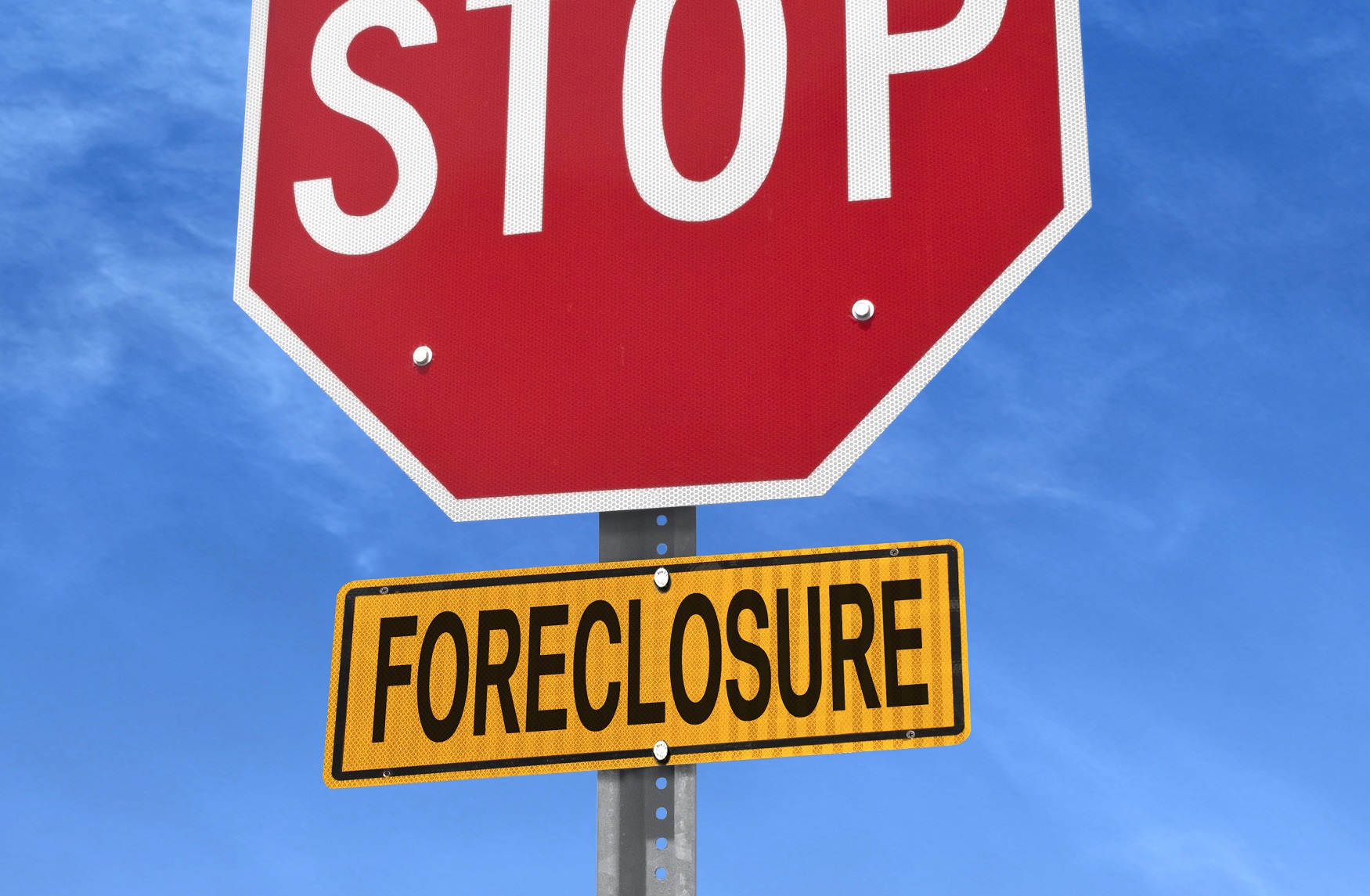
Retain a foreclosure lawyer in DC from the start of the foreclosure lawsuit. Not in the middle, not at the end. You may forfeit or waive many options if you do not participate actively in the litigation. Show that you’re engaged With counsel present, you show the court you’re actively engaged in the litigation. You…
-
Not Every Financial Mistake Leads to Bankruptcy
It’s OK to make mistakes. After all, not every financial mistake leads to bankruptcy. Yet the converse is also true. Not every bankruptcy is caused by mistake. Everyone makes mistakes, but only the wise learn from them. You must allow yourself to learn from your mistakes. Unwillingness to admit to a mistake will invariably lead…
-
Foreclosure Litigation: You Are Not Going to Get a Free House
Washington, D.C. is a judicial foreclosure jurisdiction, which means the lender must sue the homeowner in order to foreclose. Foreclosure litigation in D.C. can be brief, six months start to finish, or it can drag on for years. You may have defenses or even counterclaims against your lender. But several judges have told homeowners in…
-
How to Refinance With a Foreclosure on Your Credit Report
Whether you can refinance with a foreclosure on your credit report depends upon two factors: your loan terms and your mortgage lender. Negative credit events like foreclosure affect every credit decision made by lenders. A foreclosure will stay on your credit report for seven years. But many creditors look past previous foreclosures during the refinance application…
-
How Much Will I Have to Pay in a Chapter 13 Bankruptcy?
Chapter 13 bankruptcy is sometimes called the “wage-earner’s bankruptcy.” The Chapter 13 Plan requires a monthly payment over a period of 36 to 60 months. Self-employed people cut a monthly check to the Chapter 13 trustee. People employed by companies get automatic deductions taken from their paychecks. When you file a Chapter 13, you are…
-
Student Loans: The Only Type of Risk-Free Lending
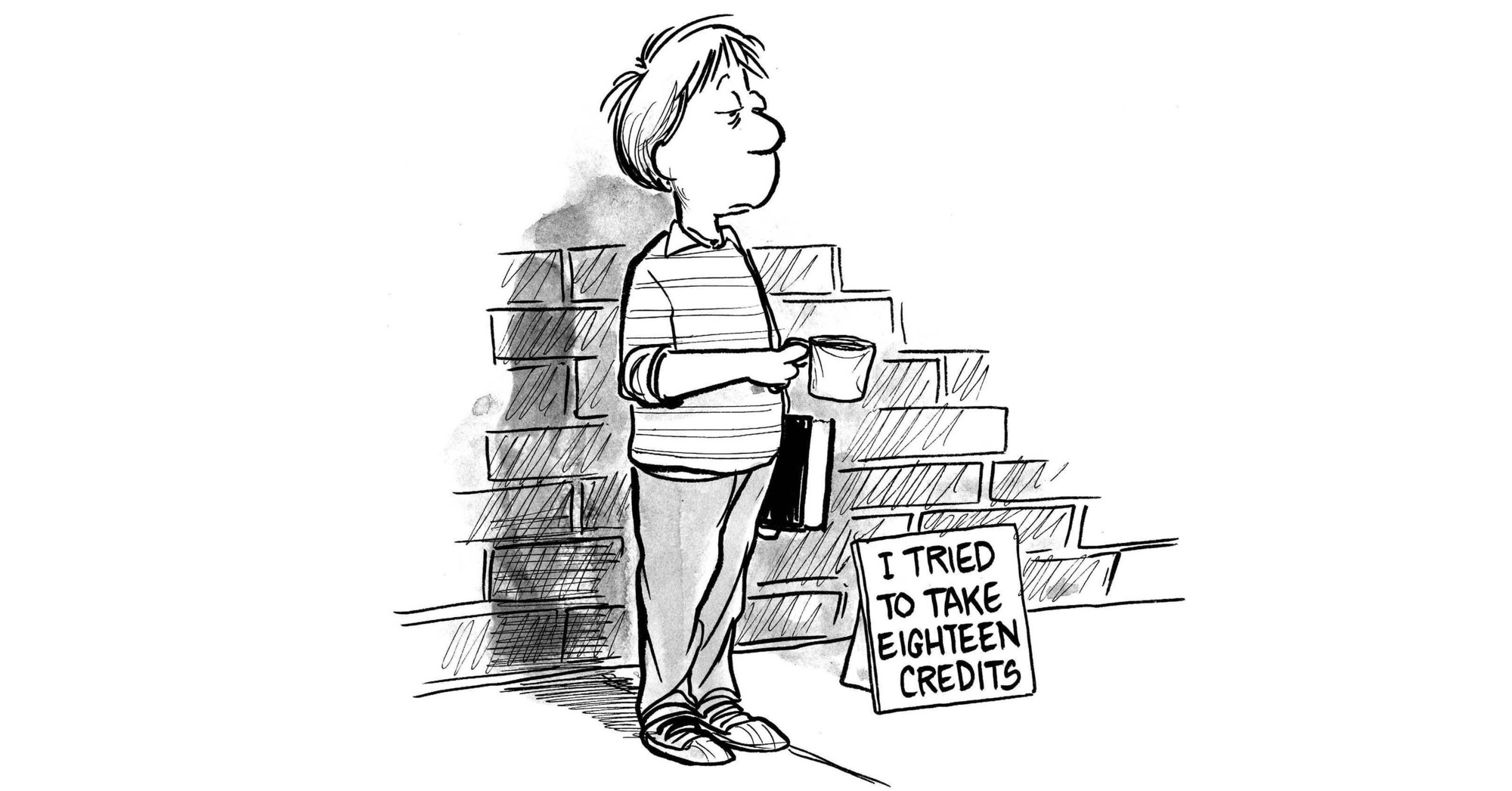
The only type of risk-free lending in the United States is student lending. Student loans cannot be discharged in bankruptcy and can even survive your death. No other type of lender in America is afforded the same protections as student loan lenders. Student loans are not dischargeable in bankruptcy Lots of different types of debts…