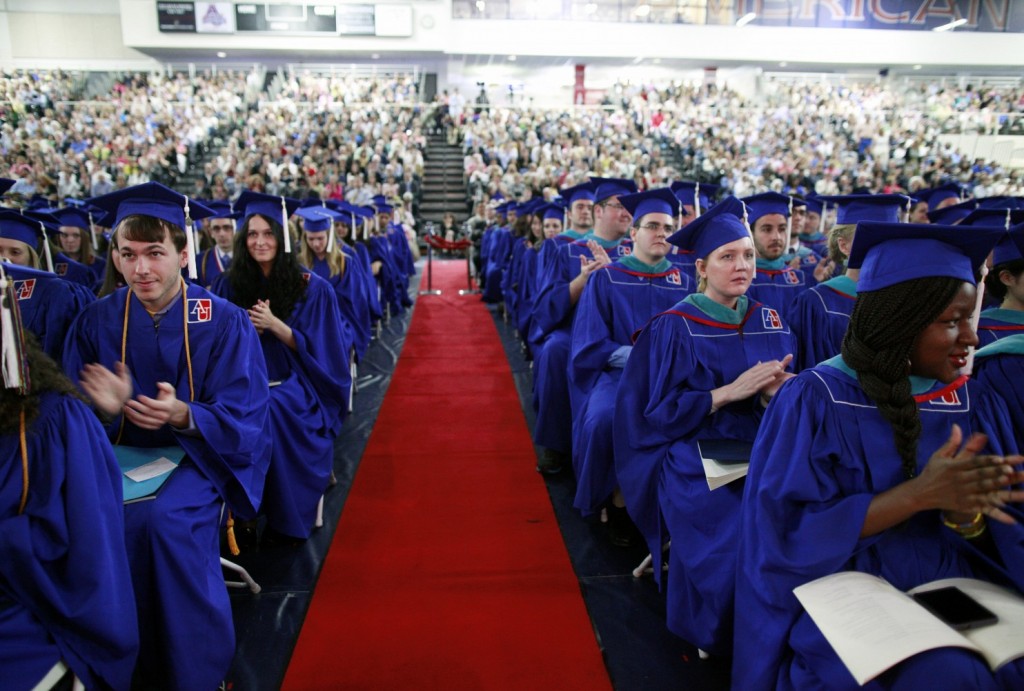
Today, one of the biggest debt problems that many people face is student loan debt. According to American Student Assistance, around 60 percent of college students — or 12 million college students each year — borrow money to cover the costs of attending school. Washington, D.C. has the most student debt in the nation. So can student loans in DC be discharged through bankruptcy?
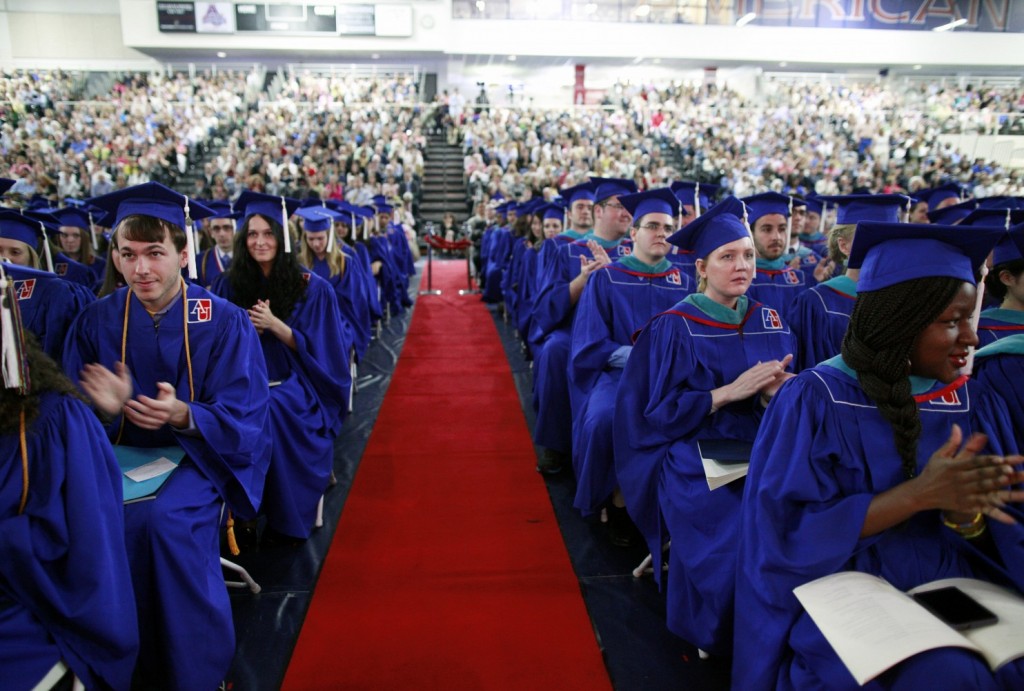 The class of 2015 was the most indebted in U.S. history. Since then, student debt has only grown and has now passed credit card debt. Multi-thousand dollar student loan debt can be a problem for anyone. But for those who are unable to find jobs, student loan payments can seem insurmountable. For those with financial or physical struggles, repayment may seem impossible. Unfortunately, under current bankruptcy laws, you cannot discharge student loans in DC in a bankruptcy.
Chapter 7 bankruptcy and student loans in DC
Student loans are treated differently under the law than the vast majority of other kinds of debt. Student loan debts are unsecured, meaning there is no collateral to guarantee them. The bankruptcy code gives student loans a special protected status. Generally speaking, you cannot discharge student loans in bankruptcy. Student loan balances, moreover, typically cannot be reduced in a bankruptcy filing.
Lawmakers have tried, without success, to make changes to the bankruptcy code. In the meantime, fears of a student debt crisis continue to mount. Student borrowers crippled with debt are denied the relief that other debtors can find in the bankruptcy code.
The hardship discharge and student loan debt
So bankruptcy is typically not a viable means of resolving student loan debts. Extremely uncommon exceptions to the general rule do exist. In some cases, for example, if a debtor can prove that repayment would be an undue burden, it may be possible for debt to be discharged.
Proving this goes far beyond just showing you cannot get a job or cannot pay. Typically, you need to demonstrate extreme hardship, such as permanently disability and even a certainty of hopelessness. For this reason, hardship discharges are rare.
If you believe you meet this stringent standard, consult with an experienced bankruptcy attorney.
Chapter 13, perhaps, but not Chapter 7
In most cases, a Chapter 7 bankruptcy will not eliminate student loan debt in DC. But it can help you to eliminate or renegotiate other debts so your student loan debts become more affordable to pay. On the other hand, a Chapter 13 bankruptcy can help you restructure your debt in a single repayment program for all of your creditors — including student loan lenders. If you have significant amounts of other debt that are affecting your finances, consulting with a bankruptcy lawyer to explore your options would be a smart choice.